Introduction
For financial institutions, digital experience has become a primary differentiator. Members and customers increasingly expect fast, intuitive, and personalized interactions, whether they are accessing services from a desktop, mobile device, or assisted channel.
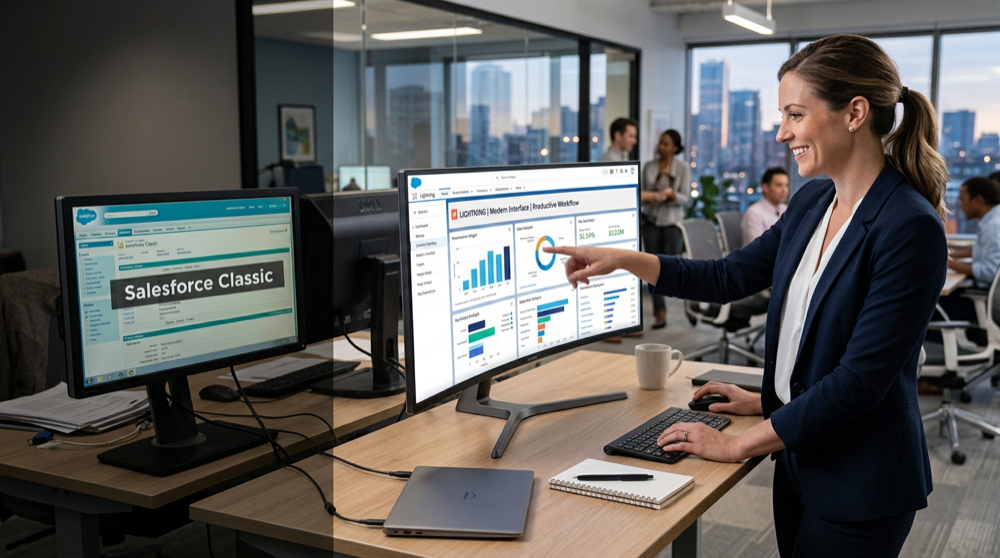
Salesforce Experience Cloud has long been a foundation for digital portals, but many institutions built their platforms on Aura-based architectures that were never designed for todayâs performance and scalability expectations. As digital traffic grows, these legacy foundations are starting to show their limits.
This is why many organizations are now turning to Lightning Web Runtime (LWR) as a strategic modernization path.
The Growing Performance Gap in Legacy Experience Cloud
Aura-based Experience Cloud implementations often struggle as platforms scale. Common challenges include:
- Slower page load times as content and functionality expand
- Navigation lag caused by heavier JavaScript execution
- Inconsistent performance across devices and browsers
- Higher operational effort to maintain and enhance the platform
For financial institutions managing complex service catalogs and compliance-driven journeys, these issues directly impact engagement, satisfaction, and cost to serve.
What Is LWR and Why It Matters
Lightning Web Runtime is Salesforceâs modern framework for building high-performance Experience Cloud sites. It embraces modern web standards and a lightweight architecture designed for speed, scalability, and maintainability.
Key benefits of LWR include:
- Server-side rendering that improves initial page load times
- Optimized client-side routing for smoother navigation
- Reduced JavaScript payloads, especially critical for mobile users
- Cleaner, SEO-friendly markup
- Native alignment with Lightning Web Components
Together, these capabilities allow Experience Cloud sites to perform more like modern web applications rather than traditional portals.
Enabling Personalization Without Complexity
Performance is only part of the story. Modern digital experiences must also feel relevant.
LWR enables financial institutions to move away from static, one-size-fits-all portals toward context-aware experiences that adapt based on user attributes such as products, eligibility, or channel.
With LWR-powered Experience Cloud sites, institutions can:
- Dynamically render navigation and menus
- Tailor content and services based on member profiles
- Improve discoverability without increasing UI complexity
- Support personalization at scale without tightly coupled logic
This approach not only improves member satisfaction but also reduces friction and support dependency.
Why Modernization Is More Than a Technical Upgrade
Modernizing Experience Cloud with LWR is not simply a framework change, it is a strategic investment in digital agility.
Organizations that adopt LWR benefit from:
- Lower long-term maintenance costs
- Faster rollout of enhancements and new experiences
- Improved accessibility and compliance readiness
- Easier adoption of future Salesforce innovations
Most importantly, teams spend less time managing platform constraints and more time delivering meaningful digital experiences.
A Future-Ready Foundation for Financial Institutions
As member expectations continue to evolve, Experience Cloud platforms must keep pace. LWR provides a clear path for institutions to modernize without rebuilding their digital platform from the ground up.
By investing in LWR modernization, financial institutions can:
- Deliver consistently fast, reliable experiences
- Scale personalization as products and services grow
- Build a digital foundation designed for long-term change
In a competitive financial landscape, experience performance is no longer optional, it is foundational.
Enjoyed this insight?
Subscribe to our newsletter to receive the latest perspectives on AI and digital transformation directly in your inbox.